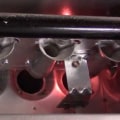
Preparing for furnace repair while managing concrete contractor tasks can feel overwhelming, but with proper planning, both projects can be handled efficiently. Furnace repair is essential for maintaining indoor comfort, especially during colder months, while concrete work—such as driveways, patios, or foundations—focuses on improving the structural and functional aspects of your property. Since these projects occur in different areas of the home, homeowners may assume they won’t interfere with each other. However, without coordination, overlapping schedules and shared access points can lead to delays and complications. Taking a strategic approach ensures that both tasks are completed smoothly.
Planning and Scheduling for Success
The key to managing these projects lies in careful scheduling. Furnace repair should be prioritized if it directly affects your home’s heating and safety, while concrete work must be timed around weather conditions and curing requirements. Creating a clear timeline helps identify potential conflicts and allows you to adjust schedules accordingly. It’s important to communicate with both your HVAC technician and your concrete contractor to ensure that each phase of the work is properly coordinated. Working with experienced providers like Concrete Revival can help streamline the process, as they understand how to align their work with other home improvement tasks without causing disruptions.
Maintaining Access and Workflow Efficiency
Another important consideration is maintaining clear access to all work areas. Furnace repairs often require technicians to access indoor spaces such as basements, utility rooms, or closets. Meanwhile, concrete work may involve heavy equipment, materials, and increased activity around entryways and outdoor spaces. Ensuring that pathways remain open and that equipment is positioned strategically helps both teams operate efficiently. Proper organization prevents unnecessary delays and allows each project to progress without interfering with the other.
Protecting Your Property During Construction
Managing furnace repair alongside concrete work also requires attention to property protection. Concrete projects can generate dust, debris, and vibrations that may affect indoor environments. Taking precautions such as sealing off work areas, covering vents, and keeping the workspace clean helps protect your furnace system and maintain indoor air quality. At the same time, ensuring that concrete materials and equipment are handled carefully prevents damage to your home’s exterior and surrounding areas. These protective measures are essential for preserving the quality of both projects.
Long-Term Benefits of Coordinated Projects
Successfully coordinating furnace repair with concrete contractor tasks offers long-term advantages for homeowners. A properly repaired furnace improves energy efficiency, reduces utility costs, and ensures consistent indoor comfort. High-quality concrete work enhances the durability and appearance of outdoor spaces, adding value to your property. By addressing both interior and exterior improvements at the same time, homeowners can create a more functional and well-maintained living environment. With thoughtful planning, clear communication, and attention to detail, managing these projects together can lead to a smoother experience and lasting results.