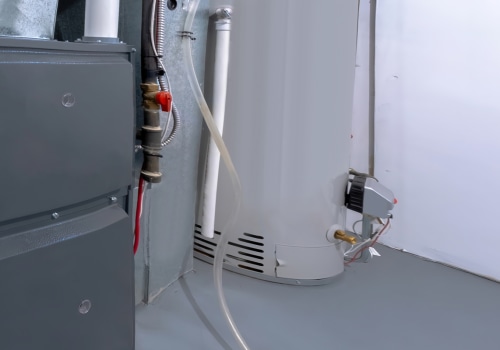
Furnace repair and maintenance are often associated with heating components, airflow, and fuel sources, but electrical systems play an equally critical role in ensuring proper operation. Modern furnaces rely on a network of electrical connections to power key components such as blowers, ignition systems, thermostats, and control boards. Without a stable and well-maintained electrical system, even the most advanced furnace will struggle to perform efficiently. Understanding this connection is essential for homeowners and technicians alike, as it highlights the importance of addressing electrical issues alongside mechanical repairs.
Powering Essential Furnace Components
Every furnace depends on electrical power to function, regardless of whether it uses gas, oil, or electricity as its primary heat source. The blower motor, for example, relies on electrical input to circulate warm air throughout the home, while the ignition system uses electrical signals to start the heating process. Control boards act as the brain of the furnace, coordinating all operations and ensuring that each component works in harmony. When electrical connections are loose, damaged, or outdated, these systems can malfunction, leading to inconsistent heating or complete system failure. Reliable providers like Abacus emphasize the importance of maintaining strong electrical connections to support overall furnace performance.
Diagnosing Electrical Issues During Repairs
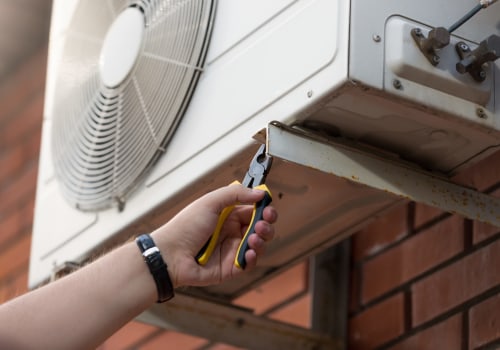
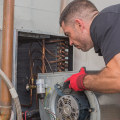
Electrical problems are often at the root of furnace malfunctions, making them a key focus during repair and maintenance. Common issues include faulty wiring, blown fuses, tripped breakers, and malfunctioning thermostats. These problems can disrupt communication between components, preventing the furnace from operating as intended. Skilled technicians use specialized tools to diagnose electrical faults and ensure that all connections are secure and functioning properly. By addressing these issues early, they can prevent more serious damage and restore the furnace to optimal performance.
Enhancing Efficiency Through Electrical Maintenance
Proper electrical maintenance is essential for improving furnace efficiency and reducing energy consumption. When electrical systems are in good condition, furnaces can operate more smoothly and respond accurately to temperature settings. This results in consistent heating and lower energy bills. Regular inspections of wiring, connections, and control systems help identify potential problems before they escalate. Additionally, upgrading outdated electrical components can enhance performance and extend the lifespan of the furnace. A well-maintained electrical system supports not only efficiency but also long-term reliability.
Ensuring Safety and Compliance
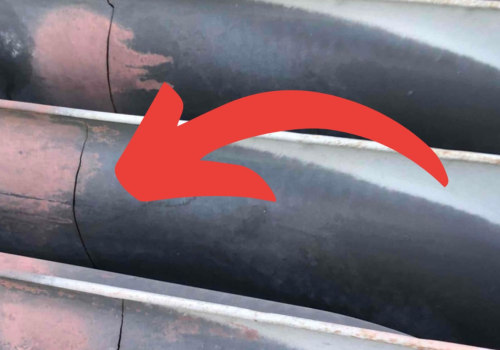
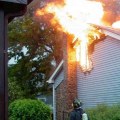
Safety is a major concern when it comes to furnace operation, and electrical systems play a significant role in maintaining a safe environment. Faulty wiring or damaged components can pose fire hazards or lead to dangerous malfunctions. Proper maintenance ensures that all electrical elements meet safety standards and operate within recommended parameters. Technicians follow strict guidelines to ensure that repairs and installations comply with local codes and regulations. This attention to detail protects both the home and its occupants, providing peace of mind during the colder months when furnaces are in constant use.
Supporting Long-Term Furnace Performance
Ultimately, the role of electrical systems in furnace repair and maintenance cannot be overstated. These systems serve as the foundation that allows all other components to function effectively. By prioritizing electrical inspections, addressing issues promptly, and maintaining strong connections, homeowners can ensure that their furnaces deliver reliable and efficient performance. A comprehensive approach that includes both mechanical and electrical care leads to a heating system that is not only functional but also durable and safe for years to come.