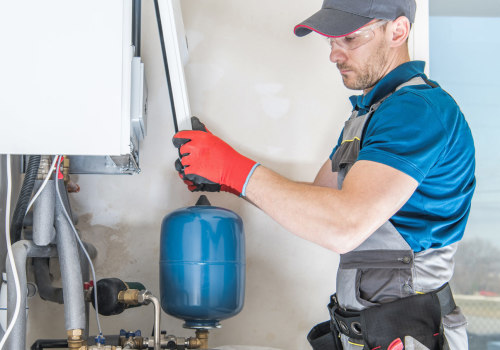
Furnace repair and plumbing maintenance are often treated as separate services, but in many homes, these systems are closely connected. Furnaces—especially high-efficiency models—rely on water-related components such as condensate lines, drainage systems, and humidifiers. When these plumbing elements are not functioning properly, they can directly impact furnace performance, leading to inefficiency or even system failure. By recognizing this connection, homeowners can take a more coordinated approach to maintenance that improves overall system reliability and prevents unexpected breakdowns.
Preventing Moisture and Drainage Issues
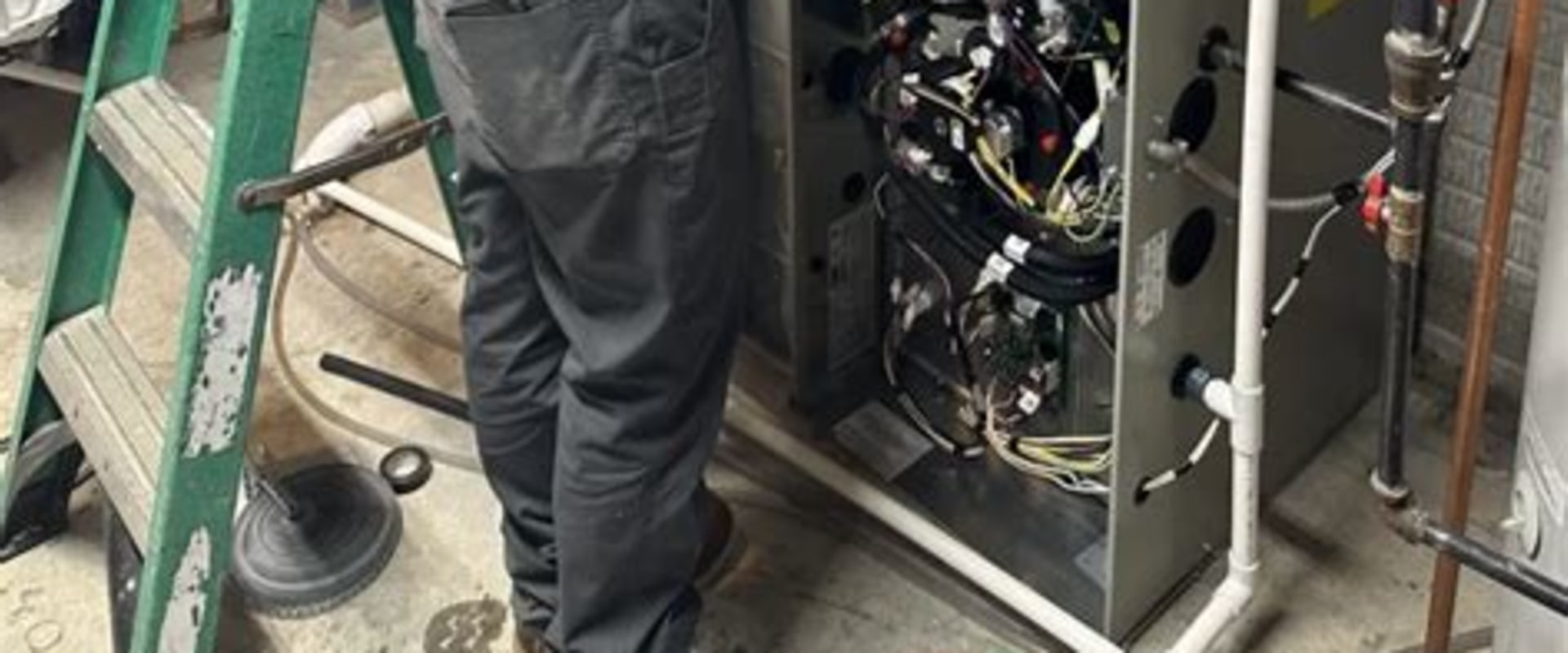
One of the most important aspects of coordinating furnace repair with plumbing maintenance is managing moisture and drainage effectively. High-efficiency furnaces produce condensation that must be properly drained away from the system. If condensate lines become clogged or damaged, water can back up into the furnace, causing corrosion or electrical issues. Addressing plumbing concerns early helps prevent these complications and ensures that the furnace operates safely. Homeowners experiencing recurring issues—sometimes associated with broader concerns like Dallas plumbing problems—can benefit from inspecting both systems together to identify shared causes and solutions.
Improving System Efficiency Through Coordination
When furnace repair and plumbing maintenance are aligned, overall system efficiency improves significantly. A properly functioning drainage system allows the furnace to operate without unnecessary strain, reducing energy consumption and extending the lifespan of the equipment. Additionally, maintaining plumbing components such as humidifiers ensures that indoor air quality remains balanced, enhancing comfort throughout the home. Coordinating these services allows technicians to identify inefficiencies that may not be apparent when systems are inspected separately, leading to more effective and lasting solutions.
Enhancing Safety and Preventing Damage
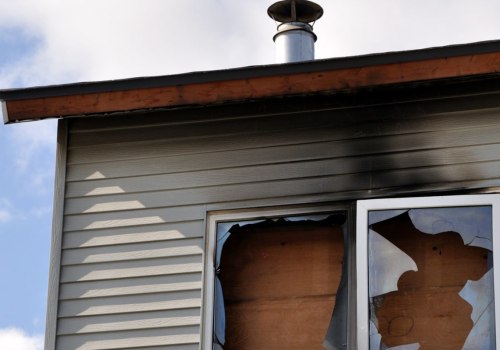
Safety is another key benefit of integrating furnace and plumbing maintenance. Water leaks or blockages can lead to serious issues, including mold growth, electrical hazards, and structural damage. By addressing these risks proactively, homeowners can create a safer living environment. Regular inspections help detect early signs of wear, corrosion, or malfunction, allowing for timely repairs that prevent more extensive damage. Ensuring that both systems are in good condition reduces the likelihood of emergencies and provides peace of mind for homeowners.
Long-Term Benefits of Integrated Maintenance Practices
Taking a coordinated approach to furnace repair and plumbing maintenance offers significant long-term advantages. Homeowners can expect fewer breakdowns, lower repair costs, and improved energy efficiency over time. This integrated strategy also enhances the durability of both systems, ensuring that they continue to perform effectively for years to come. By viewing furnace and plumbing care as interconnected aspects of home maintenance, homeowners can adopt a proactive approach that protects their investment and supports a more comfortable and efficient living environment.