Furnaces are typically associated with heating and comfort, but many homeowners overlook their connection to water and drainage systems. Modern furnaces, especially high-efficiency models, produce condensation as part of their operation. This moisture must be properly drained through a condensate line, and if that system becomes clogged or damaged, it can lead to hidden water issues. Over time, unnoticed leaks or standing water around the furnace can cause mold growth, corrosion, and even structural damage. Understanding this connection is essential for preventing small furnace-related issues from turning into costly repairs throughout the home.
Common Causes of Furnace-Related Water Problems
Several factors can contribute to water and drainage problems linked to furnace systems. One of the most common issues is a blocked condensate drain line, often caused by dirt, algae, or debris buildup. When this line is obstructed, water can back up into the unit or overflow onto surrounding surfaces. Additionally, cracked or disconnected hoses can allow moisture to leak unnoticed. Poor installation or lack of regular maintenance can further increase the risk of these problems. Identifying these causes early helps homeowners take proactive steps to avoid water damage that may not be immediately visible.
The Role of Routine Furnace Maintenance
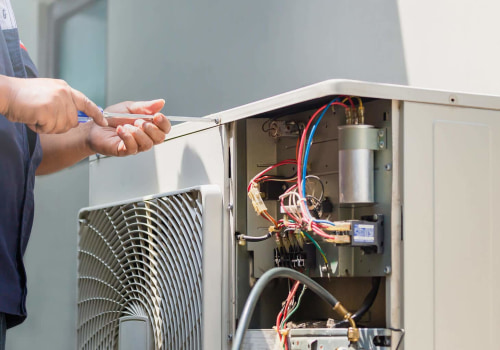
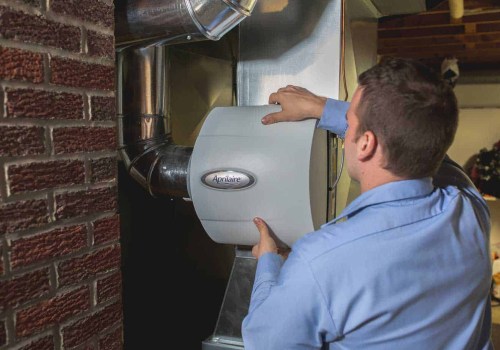
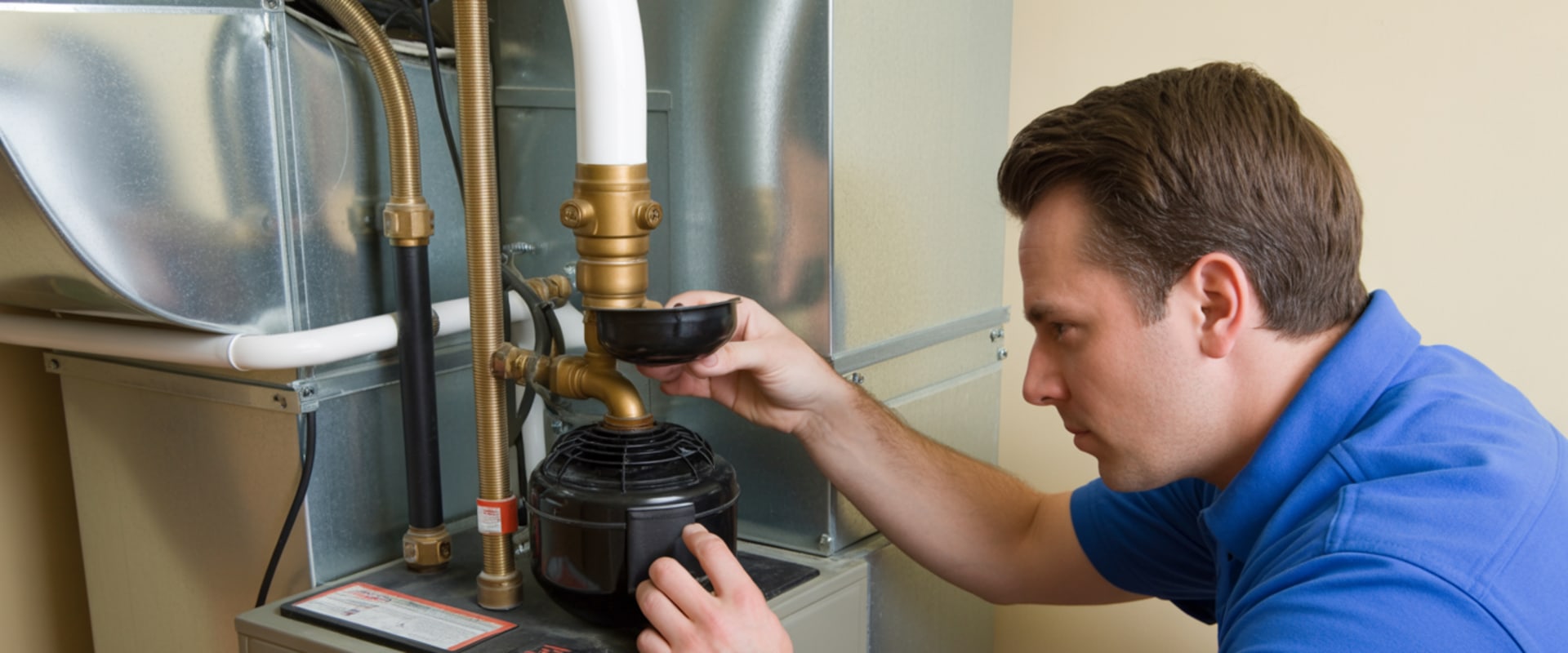
Routine furnace maintenance is one of the most effective ways to prevent hidden water and drain issues. During a professional inspection, technicians check the condensate line, drain pan, and connections to ensure everything is functioning correctly. They also clean components that may contribute to blockages and verify that moisture is being directed safely away from the unit. In some cases, if drainage problems extend beyond the furnace itself, consulting a local plumber can help address underlying issues within the home’s plumbing system. This combined approach ensures that both the furnace and its associated drainage components are operating efficiently.
Warning Signs Homeowners Should Not Ignore
Many furnace-related water problems develop gradually, making them easy to overlook until significant damage has occurred. Homeowners should watch for warning signs such as unusual pooling of water near the furnace, musty odors, or visible rust on system components. A sudden increase in indoor humidity or unexplained water stains around the unit may also indicate a problem. Addressing these signs promptly can prevent further complications, including mold growth or damage to nearby flooring and walls. Early detection is key to minimizing repair costs and maintaining a safe living environment.
Long-Term Benefits of Preventive Care
Taking a proactive approach to furnace maintenance and drainage care offers long-term benefits for homeowners. By ensuring that condensate systems are clear and functioning properly, you can extend the lifespan of your furnace and reduce the likelihood of unexpected breakdowns. Preventive care also protects your home from hidden water damage, preserving both its structure and indoor air quality. Incorporating regular inspections into your home maintenance routine helps create a more reliable and efficient heating system, ultimately providing peace of mind and a healthier living space throughout the year.