Furnace performance depends on more than the condition of the heating equipment itself. Ductwork, gas lines, electrical connections, drain lines, vents, and equipment platforms are all installed within a building that must remain structurally stable. When a foundation settles unevenly or shifts over time, these connected components may move as well. A furnace that begins producing unusual noises, airflow problems, or alignment issues may therefore require more than a standard mechanical inspection. Looking at both the heating system and the condition of the structure can help property owners identify whether repeated furnace problems are connected to a broader issue.
Check the Furnace Before Foundation Work Begins
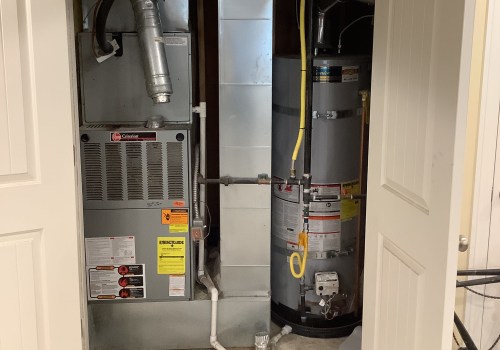
Before foundation repair starts, an HVAC technician can inspect the furnace and nearby components for existing damage or stress. This may include checking duct connections, gas piping, electrical wiring, venting, and the equipment base. If the furnace is located near an area that will be lifted or stabilized, documenting its condition beforehand provides a useful reference after the structural work is complete. Professionals such as Bats Foundation Repair San Antonio TX can coordinate with HVAC contractors when foundation adjustments may affect mechanical systems or utility connections.
Protect Ductwork From Structural Stress
Ductwork can be particularly vulnerable when portions of a building move. Sections may pull apart at joints, develop gaps, or become compressed where they pass through framing. These changes can reduce airflow and allow heated air to escape before it reaches intended rooms. If foundation repair involves lifting or leveling the home, ducts should be inspected before and after the work. Damaged connections can then be resealed or repaired once the building reaches a more stable position.
Inspect Gas and Electrical Connections
Furnaces may rely on gas lines, electrical wiring, or both. Structural movement can potentially place tension on these connections, especially where pipes or cables pass through floors or walls. Any signs of damaged fittings, strained wiring, or unusual positioning should be evaluated by qualified professionals. Gas-related work should always be handled according to applicable safety requirements. Coordinating these inspections with foundation repairs can help ensure that important utility connections remain secure throughout the project.
Verify Venting and Exhaust Alignment
Furnaces that use combustion require properly installed venting to carry exhaust gases safely outside the building. Foundation movement may alter the position of walls, floors, or roof penetrations through which vent pipes travel. After structural adjustments, an HVAC professional should confirm that vent components remain correctly connected, supported, and aligned. A furnace should not be returned to normal operation if its venting system has been damaged or displaced.
Recheck the Furnace After Foundation Stabilization
Foundation repair can involve controlled lifting or other adjustments that slightly change the position of the structure. Once this work is completed, the furnace should be evaluated again. Technicians can inspect the equipment level, ductwork, gas or electrical connections, drains, and vents for any changes. This post-repair inspection may help catch small problems before they affect comfort or equipment reliability.
Avoid Repeated Repairs Without Investigating the Cause
If furnace components repeatedly become misaligned or ducts continue separating, repairing the same mechanical issue without investigating structural movement may lead to recurring problems. Foundation stabilization can create a more consistent environment for HVAC repairs and reduce ongoing stress on connected components.
Coordinate Both Services for Long-Term Performance
Furnace repair and foundation repair are most effective when contractors understand how their work may affect one another. Coordinating inspections, protecting utility connections, checking ductwork, and performing a final HVAC evaluation after structural work can reduce avoidable complications. By addressing both the heating system and the underlying building conditions, property owners can improve the likelihood of more reliable furnace performance and longer-lasting repair results.