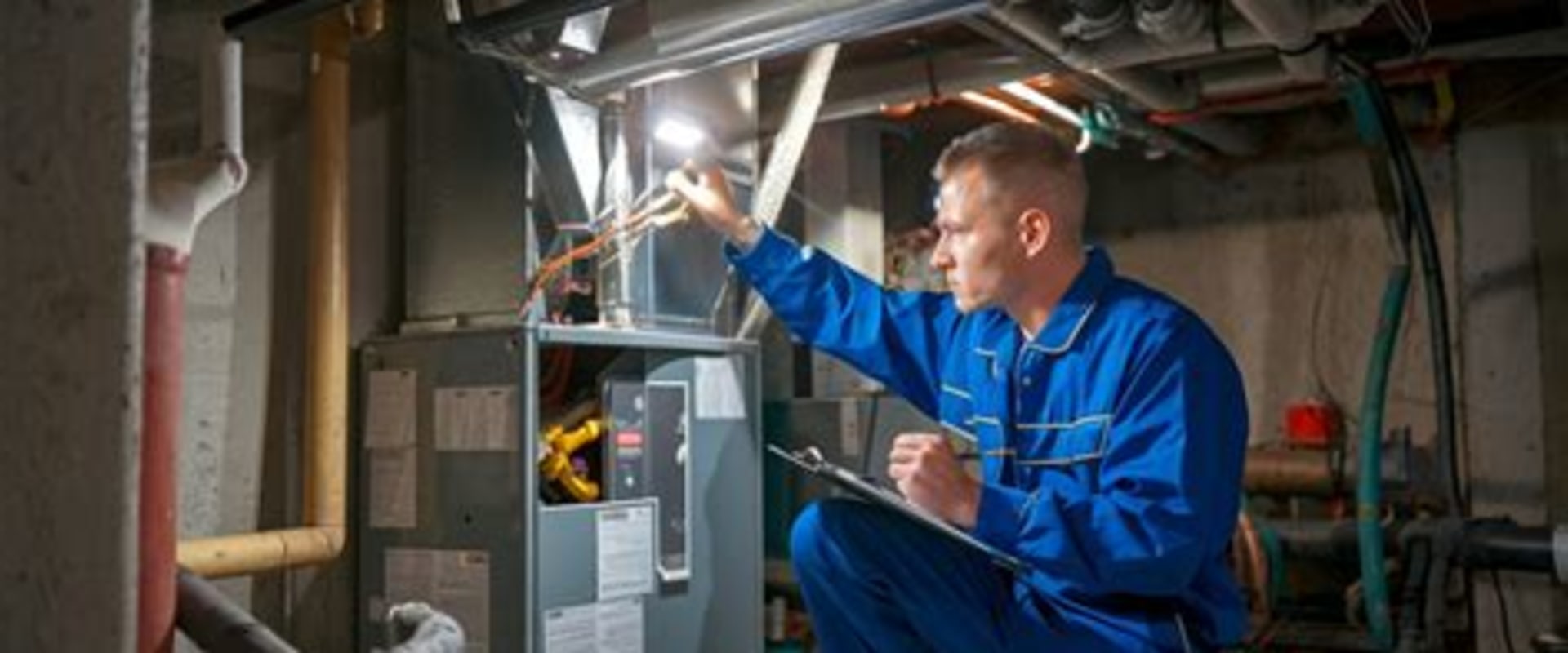
Furnace repair is commonly associated with restoring indoor comfort during colder months, but its importance extends well beyond maintaining a comfortable temperature inside a home or commercial building. A properly functioning furnace contributes to the health of multiple building systems by supporting balanced indoor conditions that help preserve structural materials, mechanical equipment, and overall property performance. When heating systems operate inefficiently or begin to fail, the effects can reach far beyond rising energy bills or uneven room temperatures. Inadequate heating may increase indoor humidity fluctuations, place additional strain on ventilation systems, and create conditions that contribute to moisture-related issues affecting walls, flooring, insulation, and other structural components. Regular furnace maintenance and timely repairs help ensure that heating equipment performs reliably while supporting the broader systems that keep a building safe, efficient, and durable throughout the year.
Supporting Mechanical and Structural Performance
A furnace operates as part of a larger network of building systems that includes ventilation, insulation, ductwork, thermostats, and air filtration components. When one part of this system begins to malfunction, the effects often spread to other areas of the building. A furnace that cycles improperly or struggles to maintain consistent temperatures may place unnecessary stress on HVAC components, shorten equipment lifespan, and reduce overall energy efficiency. Consistent indoor temperatures also help minimize expansion and contraction of certain building materials caused by extreme temperature variations. While these changes are often gradual, maintaining stable environmental conditions contributes to the long-term performance of finishes, framing materials, and other structural elements. Engineering professionals, including companies such as Open Concept Engineering, recognize that preserving building performance requires attention to interconnected systems rather than focusing on individual components alone. Reliable heating equipment plays an important role in maintaining the balanced indoor environment that supports the health of both mechanical infrastructure and structural assemblies.
Preventing Moisture-Related Building Problems
One of the less frequently discussed benefits of prompt furnace repair is its contribution to moisture management inside a building. Heating systems influence indoor humidity levels, airflow, and ventilation performance, all of which affect the condition of building materials over time. When a furnace fails to circulate air effectively, certain areas may become excessively cold, increasing the potential for condensation to develop on windows, walls, pipes, or poorly insulated surfaces. Persistent moisture can contribute to mold growth, wood deterioration, insulation damage, and reduced indoor air quality if left unresolved. Maintaining proper furnace operation helps create more consistent airflow throughout the building, reducing conditions that encourage moisture accumulation. This is especially important in attics, basements, crawl spaces, and other areas where temperature differences may be more pronounced. By addressing heating issues early, property owners help protect both visible finishes and hidden structural components from gradual moisture-related deterioration.
Long-Term Benefits of Proactive Furnace Maintenance
Timely furnace repair should be viewed as an investment in the overall health of a building rather than simply a response to heating problems. Regular inspections, filter replacements, system cleaning, and prompt repairs improve equipment reliability while reducing the likelihood of unexpected breakdowns during periods of peak demand. Efficient furnace operation also supports lower energy consumption, improved indoor air quality, and greater comfort for occupants without placing unnecessary strain on the HVAC system. More importantly, maintaining dependable heating helps preserve the surrounding building envelope by minimizing temperature extremes and reducing moisture-related risks that can compromise structural materials over time. Homeowners and property managers who prioritize preventive furnace maintenance often experience lower repair costs, longer equipment lifespan, and fewer disruptions to daily operations. Ultimately, furnace repair plays a valuable role in protecting much more than indoor comfort. It contributes to the performance of interconnected building systems, supports structural durability, and helps ensure that residential and commercial properties remain safe, efficient, and resilient for many years through a proactive approach to maintenance and responsible building care.